
Panama Cruises: 500,000 Passengers by 2026
 written by one who's been there
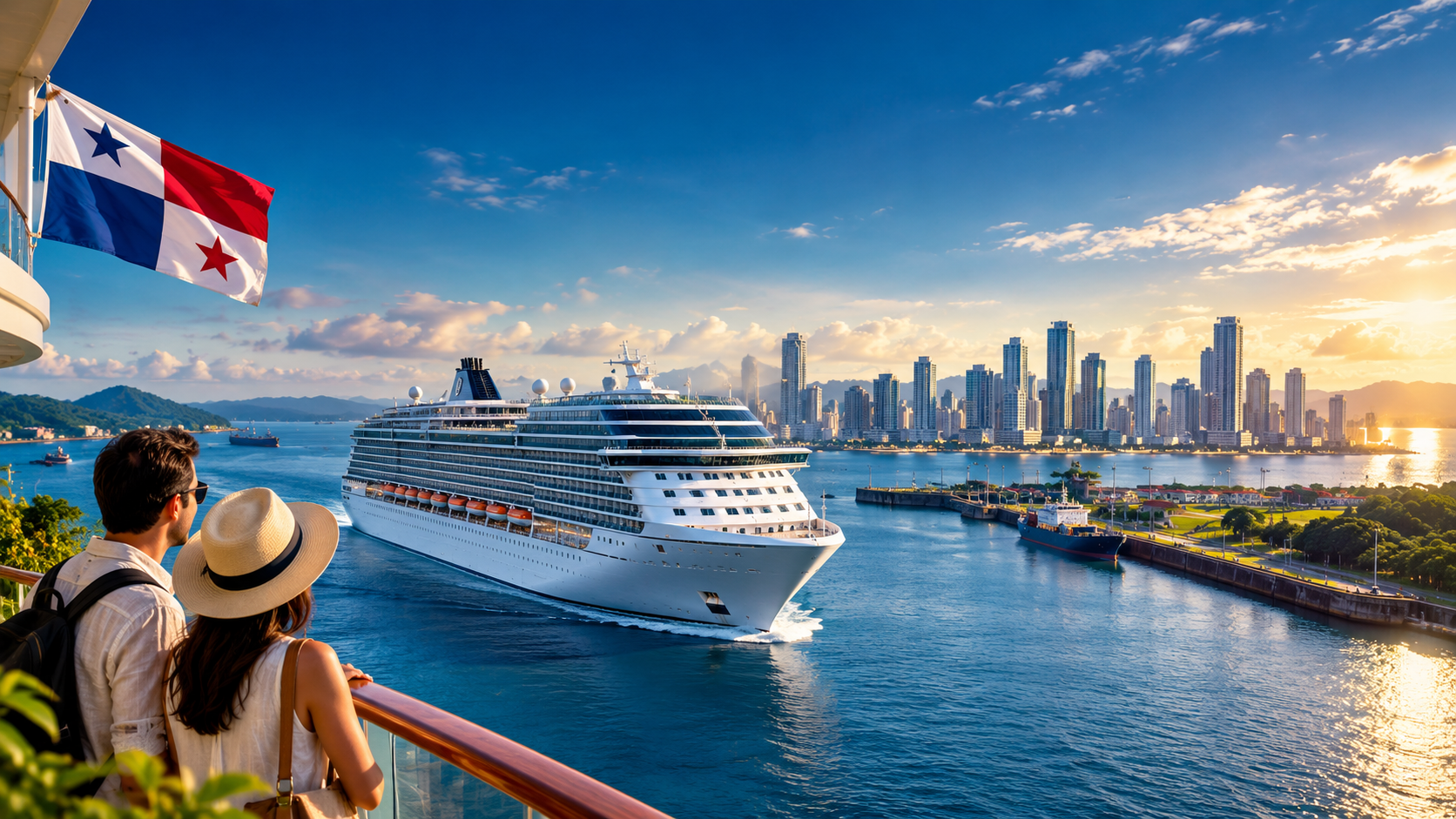
The dock in Colón smells like diesel and fresh paint. Three ships are moored, one so big it looks like a building lying on its side from the air. I come down from the hill, my notebook full of dirt, and I stop at the terminal to watch the disembarkation. A river of people in caps and sandals comes down the ramp. Cruise tourism grew 21.6% this semester and is nearing 500,000 passengers. It's not a desk number: you feel it in the smell of sunscreen, in the bathroom lines, in the buses climbing to Portobelo with the AC on full blast.
I'm not a cruise person. I'm a lancha, hammock, and early-rise person. But the business is moving and you have to tell it from the inside. So I went into the port, talked to taxi drivers, artisans, and a tugboat captain who laughs at the big ships. This is what I saw.
The port that doesn't sleep (and the one that does)
Colón is still king. Royal Caribbean, Carnival, Norwegian ships dock there. Terminal 2000 has wifi, expensive coffee, and a group of women selling molas for $15. Next door, Cristóbal port handles cargo and small cruises. The 2026-2027 season looks strong: there are already bookings for over 300 calls between October and April. A Maritime Authority official who didn't want to be named told me that. I didn't confirm the exact number of ships, but the trend is clear.
What about the Pacific? Different story. Amador and Fuerte Amador receive cruises from California or South America. Last year I saw the Zaandam from Holland America arrive. People got off, took a taxi to Casco Viejo, bought Geisha coffee, and went back. In four hours. That's not tourism, that's a selfie with a side of hurry. But it leaves money. A lot of it.
The routes people actually take
There are three circuits that repeat. I've seen them from the air and from the water.
- Caribbean route: leaves from Miami or Fort Lauderdale, stops in Colón, Cartagena, and sometimes Puerto Limón. The most common. Passengers get off in Colón, go to Gatún Locks, buy crafts, and return to the ship. Few stay overnight.
- Pacific route: from Los Angeles or San Diego to Panama, with a stop in Amador. Smaller, luxury ships. Older crowd, walks slowly, asks about the canal.
- Full canal route: cross from ocean to ocean. The most expensive and longest. I've seen ships lining up at Gatún, waiting their turn. From the hill you see the line of lights at night. Looks like a necklace.
What almost nobody does is get off in Colón and take a bus to Portobelo. Or Isla Grande. That's a mistake. But I won't play expert: everyone travels as they can.
What it really costs (and what it doesn't)
A cruise passenger spends little on land. I know because I talked to Doña Marta, who sells empanadas at the Colón terminal. "Gringos buy one empanada and a water. Nothing else. Some don't even get off," she told me. Average spending per passenger on land is around $50-80, according to a taxi driver. Not much. But multiply that by 500,000 and you get the picture.
If you come by cruise, here's what you spend in a day in Colón:
- Taxi to Gatún Locks: $20-30 round trip (haggle, always haggle).
- Locks entrance: $15 for foreigners, $3 for Panamanians.
- Lunch at a Colón fonda: $5-8. At the terminal: $12-15.
- Crafts: from $5 for a bracelet to $80 for a good mola.
- Beer at the dock: $3. On the ship: $8.
If you stay more than a day, things change. A hotel in Casco Viejo runs $80-150. In Colón, $40-60. Transport to Portobelo is $5 by bus, $60 by taxi. The cruise is cheap; getting off is what costs.
The trail nobody marks on Maps (but should)
When the ship leaves, silence remains. And heat. And cicadas. I stayed one afternoon in Portobelo after the Carnival Freedom set sail. Townspeople sweep the streets, pick up plastic cups, close stalls. Doña Chía, who sells patacones in front of the fort, tells me: "I wish they'd stay longer. But they leave. They always leave."
That's the cruise problem: it arrives, consumes, leaves. It leaves money, yes. But it doesn't leave time. Cruise tourism grows, but land tourism doesn't. And that's a shame, because Panama has much more than a lock and a mall.
From above you see the scar of the canal, that line of water splitting the country. But below, in the towns, life follows another rhythm. A rhythm that doesn't fit in four hours.
What I'd do differently the second time
If I were a cruise passenger, I wouldn't stay at the terminal. I'd take a taxi to Portobelo, even if it costs $60. I'd see Fort San Jerónimo, eat a patacón with cheese, swim at La Guaira. I'd return to the ship with salt in my hair and dirt on my shoes. That's Panama.
If you're a cruiser and have only one day, here's what not to do:
- Don't stay in the Colón duty-free zone. It's like any airport.
- Don't buy the ship tour if you can do it yourself. It costs double.
- Don't take the ship towel to the beach. It gets wet and heavy.
- Don't underestimate the sun. It hits hard in Colón. Bring water.
If you have two days, sleep in Portobelo. There are guesthouses for $30-50. Ask for Doña Chía's, facing the sea. No website, but it exists.
The 2026-2027 season: what's coming
The season starts in October and runs through April. Busiest months are December, January, and February. That's when most ships dock in Colón and Amador. If you want to see the disembarkation without being on a cruise, go to the Colón terminal on a Tuesday or Wednesday. Fewer people than weekends.
Cruise prices vary. A 7-night Caribbean interior starts at $600-800 per person. With balcony, $1,200-1,500. Full canal crossings cost more: $1,500-2,500. That includes food and entertainment, but not shore tours. Watch out for that.
I don't sell cruises. I just tell what I see. And what I see is a country receiving more ships every year, but still not knowing how to make that people stay. Or come back. Because the one who leaves in four hours doesn't return. The one who stays a night, does.
Next time a big ship comes, I'll stand at the dock to watch people's faces as they get off. Some smile. Others look like "and this is Panama?". To them I'd say: no, this isn't Panama. Panama is 40 minutes by bus. But the bus already left. And so did the ship.
So if you come by cruise, get off. Walk. Ask. Eat where locals eat. Don't stay at the terminal. Cruise tourism grew 21.6%, but real tourism grows when you get off the ship.
See you at the next tide. Or the next dock. I'll be around, notebook full of dirt.
