
Panama Canal: The Engineering Marvel That Connects the World
 written by one who's been there
Introduction
The Panama Canal is not just a waterway; it is a symbol of human ingenuity, an economic engine, and one of the most impressive engineering works on the planet. Stretching 80 kilometers across the Panamanian isthmus, it connects the Atlantic and Pacific Oceans, allowing more than 14,000 ships to cross each year. For visitors, the canal offers a unique experience: witnessing its locks in action, learning about its history, and marveling at the surrounding biodiversity. In this article, we tell you everything you need to know to visit this modern wonder.
History and Construction
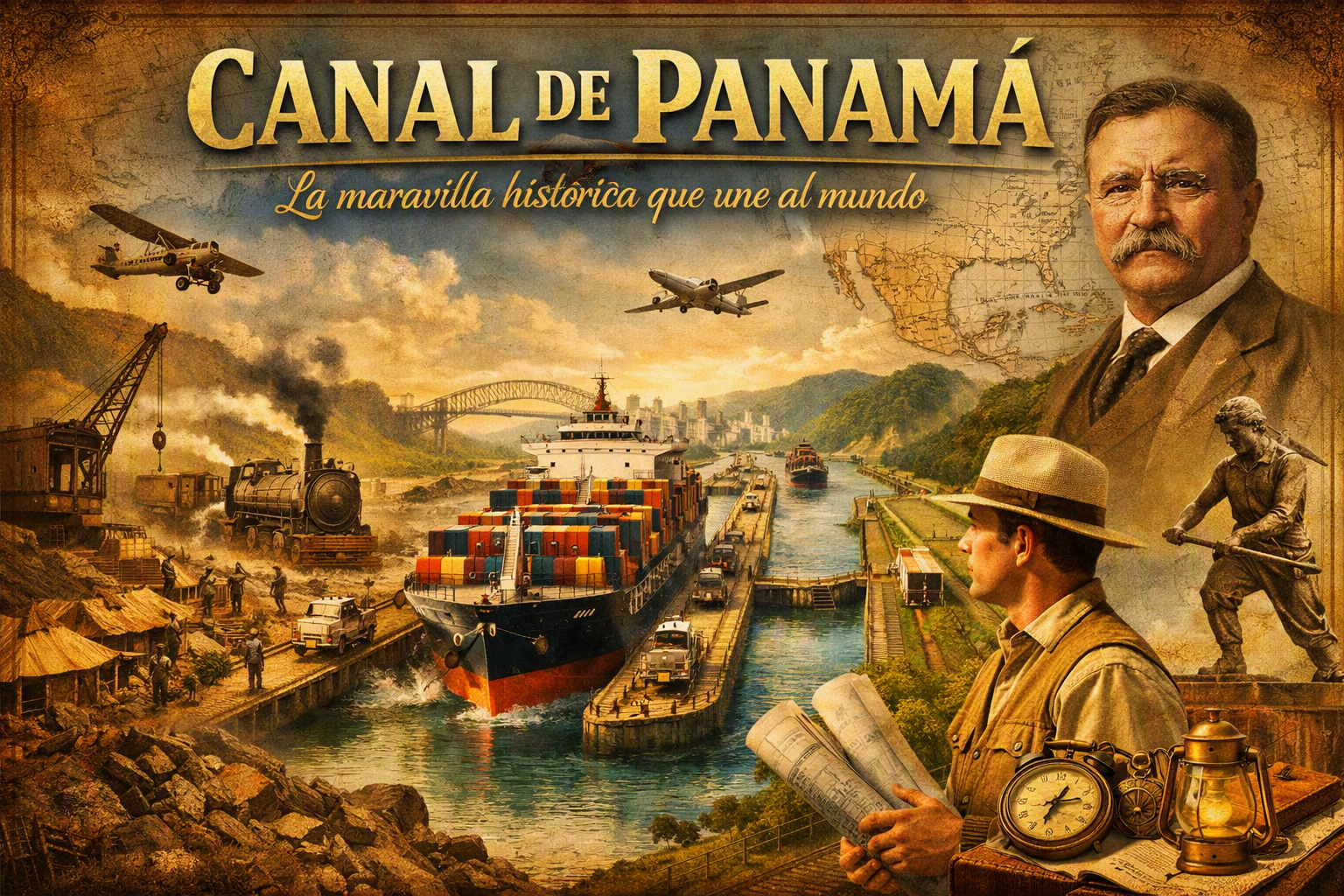
The idea of an interoceanic canal in Panama dates back to the 16th century when Spanish explorers mapped the region. However, it wasn't until the late 19th century that construction was attempted, first by the French (led by Ferdinand de Lesseps) and then by the Americans, who completed it in 1914. The construction was a monumental feat that cost thousands of lives and overcame challenges like tropical diseases and landslides. Since then, the canal has been expanded and modernized, with the opening of new locks in 2016, allowing for the passage of larger vessels.
How Does the Canal Work?
The canal uses a system of locks that raise ships to the level of Gatun Lake (26 meters above sea level) and then lower them on the other side. The locks operate by gravity, filling and emptying with water from the lake. A complete transit takes approximately 8-10 hours. Ships are guided by locomotives (called mules) and tugboats, and visitors can observe the entire process from visitor centers.
Main Attractions for Visitors
Miraflores Visitor Center
It is the most popular and accessible, located just 20 minutes from Panama City. Here you can:
- Watch ships transit the locks from a panoramic terrace.
- Visit the interactive museum explaining the canal's history and operation.
- Enjoy a restaurant with views of the locks.
Tip: Arrive early (before 9 a.m.) to see more transits, as activity is higher in the morning.
Gatun Locks
On the Atlantic side, near Colon, the Gatun Locks are the largest of the original canal. They offer a quieter, nature-close experience.
- Observe ships from an open-air viewpoint.
- Combine your visit with Soberania National Park or Fort San Lorenzo.
Agua Clara Visitor Center
Inaugurated in 2016, this center showcases the new locks, which handle the largest ships (Neopanamax). Located near Colon, it offers stunning views of Gatun Lake and the expansion.
Unique Experiences
- Partial transit: You can take a boat tour that crosses part of the canal, such as the stretch from Miraflores to Pedro Miguel. It's an exciting way to feel the scale of the locks from inside.
- Walk across the Centennial Bridge: This bridge offers views of the canal and is a popular photo spot.
- Wildlife watching: The canal's surroundings are a tropical rainforest, home to monkeys, sloths, toucans, and crocodiles. Some tours combine the canal with hiking or boat rides on Gatun Lake.
Practical Tips
- Transportation: From Panama City, you can take a taxi or Uber to Miraflores (about 20 minutes). For Gatun or Agua Clara, it's advisable to rent a car or join an organized tour.
- Climate: Panama is hot and humid; wear light clothing, a hat, and sunscreen. The rainy season (May to November) can bring downpours, so a raincoat is useful.
- Tickets: Prices vary; check the official Canal website for current rates. Discounts are available for students and residents.
- Time: Dedicate at least half a day for Miraflores. If you want to see the entire canal, consider a full-day tour.
Impact of the Canal on Panama
The canal is not only a tourist attraction but also the heart of Panama's economy. It generates significant revenue, employment, and development in Panama City and Colon. Moreover, it has turned the country into a global logistics hub. For Panamanians, the canal is a source of national pride, and seeing it in action connects visitors to the nation's history and future.
Conclusion
Visiting the Panama Canal is an unforgettable experience that combines history, technology, and nature. Whether you watch the precision of the locks from Miraflores or feel the excitement of crossing it by boat, you'll understand why this work is considered one of the wonders of the modern world. Don't forget your camera and your curiosity; the canal awaits you with open arms.
Frequently Asked Questions
Can you see the canal for free? Yes, there are public viewpoints at some points, like the Centennial Bridge, but visitor centers offer better views and experiences.
How long does a visit to Miraflores take? We recommend 2-3 hours to tour the museum and see several transits.
Is it safe to travel to Colon to see Gatun? Yes, but it's advisable to go with an organized tour or in a group, and avoid non-tourist areas.
References
- Panama Canal Authority (ACP) - official website
- General tourism information for Panama
