Coiba National Park: The Marine Jewel of the Panamanian Pacific
 written by one who's been there
Introduction
Imagine a place where tropical rainforest meets crystal-clear waters, where sharks, whales, and sea turtles swim freely, and where history blends with nature in an almost untouched sanctuary. That place exists: Coiba National Park, the largest marine park in Panama and one of the most impressive natural treasures in the world. Declared a UNESCO World Heritage Site in 2005, Coiba offers a unique experience for diving, nature, and adventure enthusiasts. In this article, we tell you everything you need to know to plan your visit to this remote paradise.
What is Coiba National Park?
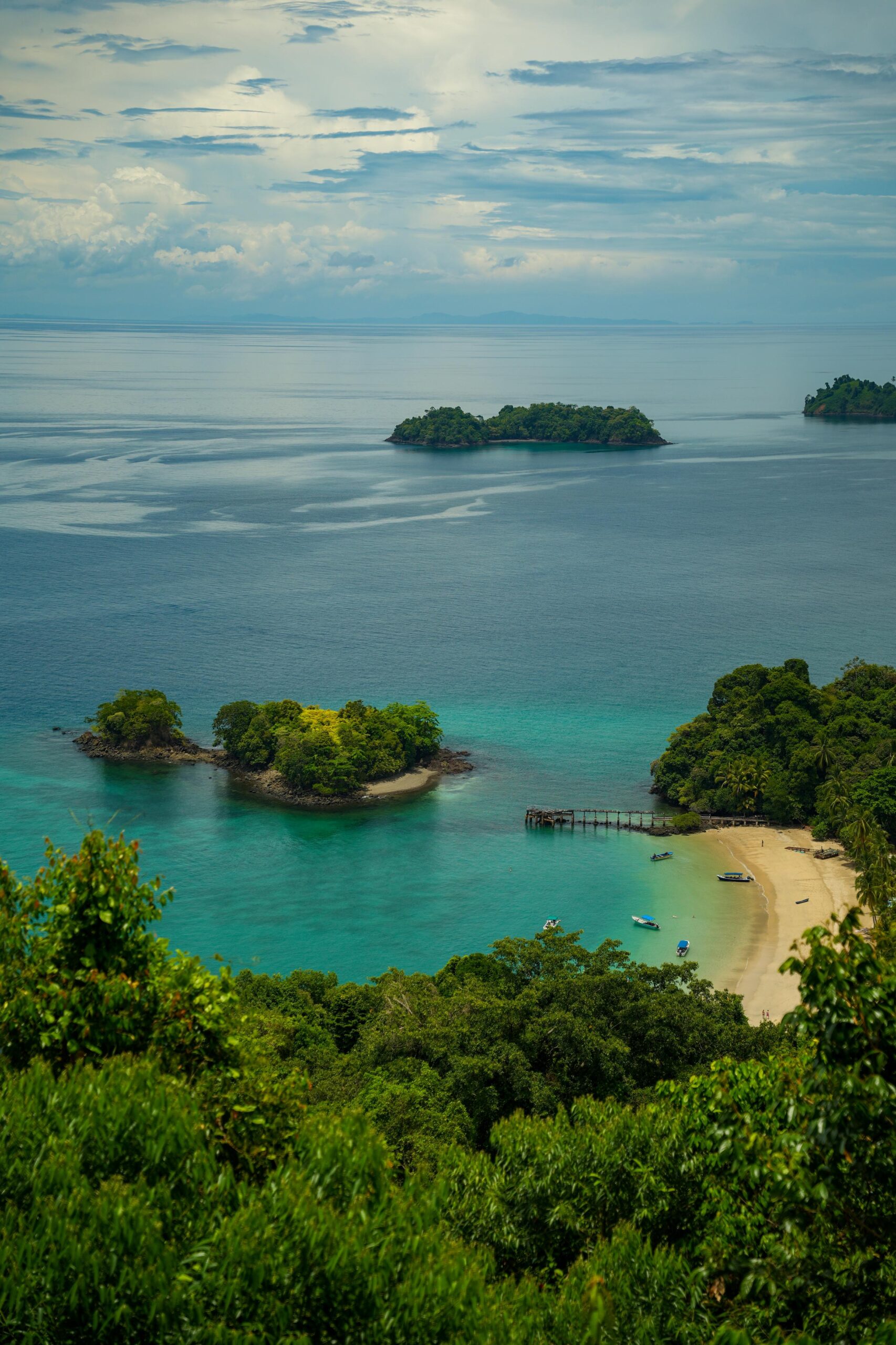
Coiba National Park is located in the Panamanian Pacific, about 50 km off the coast of Veraguas. The park protects Coiba Island, the largest island in Panama (approximately 493 km²), and its marine environment, including coral reefs, smaller islands, and great biodiversity. Its total area exceeds 270,000 hectares, making it the largest protected marine area in Panama and one of the largest in the Eastern Pacific.
Coiba Island has a peculiar history: it was used as a penal colony from 1919 to 2004. This isolation allowed the island and its waters to remain practically virgin, as access was restricted. Today, the park is open to tourism, but with strict regulations to protect its ecosystem.
How to Get to Coiba
To reach Coiba National Park, you must take a boat from one of the main departure points:
- Santa Catalina (Veraguas): the most popular and closest point, with a trip of approximately 1 hour by boat.
- Puerto Mutis (in the Mariato district, Veraguas): another common access, with a 1.5 to 2-hour journey.
- Gulf of Chiriquí (from Boca Chica or David): less frequent, but possible with local operators.
The most common is to book a tour from Santa Catalina, where you'll find several agencies offering day trips or multi-day excursions. Remember that the park is a protected area, so access is regulated and it is mandatory to go with an authorized guide.
What to Do in Coiba
1. Diving and Snorkeling
Coiba is considered one of the best diving destinations in the world. Its waters are home to coral reefs, underwater walls, and incredible marine life. Common sightings include:
- Hammerhead sharks, whale sharks (in certain seasons), and blacktip reef sharks.
- Manta rays, eagle rays, and moray eels.
- Sea turtles, such as hawksbill and olive ridley.
- Schools of colorful tropical fish.
The most famous dive sites are Montuosa Island (about 20 miles from Coiba), El Bajo (an underwater seamount), and La Viuda. If you are not a certified diver, many excursions include snorkeling in shallow areas, where you will also see abundant marine life.
2. Whale Watching
Between July and October, humpback whales arrive in the park's waters to breed. It is an unforgettable spectacle to see their jumps and hear their songs. Many tours offer special outings for whale watching, always respecting safety distances.
3. Hiking and Beaches
On Coiba Island, you can take hikes along trails that cross the tropical forest, where you will see monkeys, iguanas, eagles, and other animals. There are also virgin white-sand beaches with turquoise waters, such as Playa Blanca and Playa Hermosa, ideal for relaxing and swimming.
4. Kayaking and Paddleboarding
Some excursions include kayaking or paddleboarding to explore mangroves and hidden coves. It is a peaceful way to connect with nature.
Tips for Your Visit
- Book in advance: daily quotas are limited to protect the park, so secure your spot early.
- Bring biodegradable sunscreen: chemicals in regular sunscreens damage corals. Use an eco-friendly one.
- Bring cash: in Santa Catalina, some restaurants and shops do not accept cards.
- Pack light: on day trips you'll carry your backpack, but you don't need much more than swimwear, a towel, water, and snacks.
- Respect marine life: do not touch corals or chase animals. Remember you are in their home.
Tip: If you have time, spend at least one night on the island. There are ranger stations with basic accommodation (cabins or camping) that will allow you to enjoy the solitude and nature at sunrise.
Accommodation and Services
In Santa Catalina, you will find hostels, cabins, and boutique hotels. On Coiba Island, options are limited: the park has ranger stations where you can camp or stay in simple rooms (only with prior reservation). There are no restaurants on the island, so you must bring your own food if you stay more than a day.
Ecological Importance
Coiba is an invaluable natural laboratory. Its coral reefs are among the healthiest in the American Pacific, and the island is home to endemic species such as the Coiba howler monkey and the Coiba agouti. It also serves as a biological corridor for migratory species like whales and sharks.
The park faces challenges such as climate change and tourism pressure, so it is essential that visitors follow the rules and support sustainable tourism.
Conclusion
Coiba National Park is a destination with no comparison in Panama. It is a place where nature shows itself in its maximum expression, far from the hustle and bustle of the city. Whether you dive among sharks, watch whales, or simply relax on a deserted beach, Coiba will leave you with unforgettable memories. Plan your visit responsibly and get ready to live a unique experience in the heart of the Panamanian Pacific.
