
Panama Off the Beaten Path: 7 Hidden Gems
 written by one who's been there
Introduction
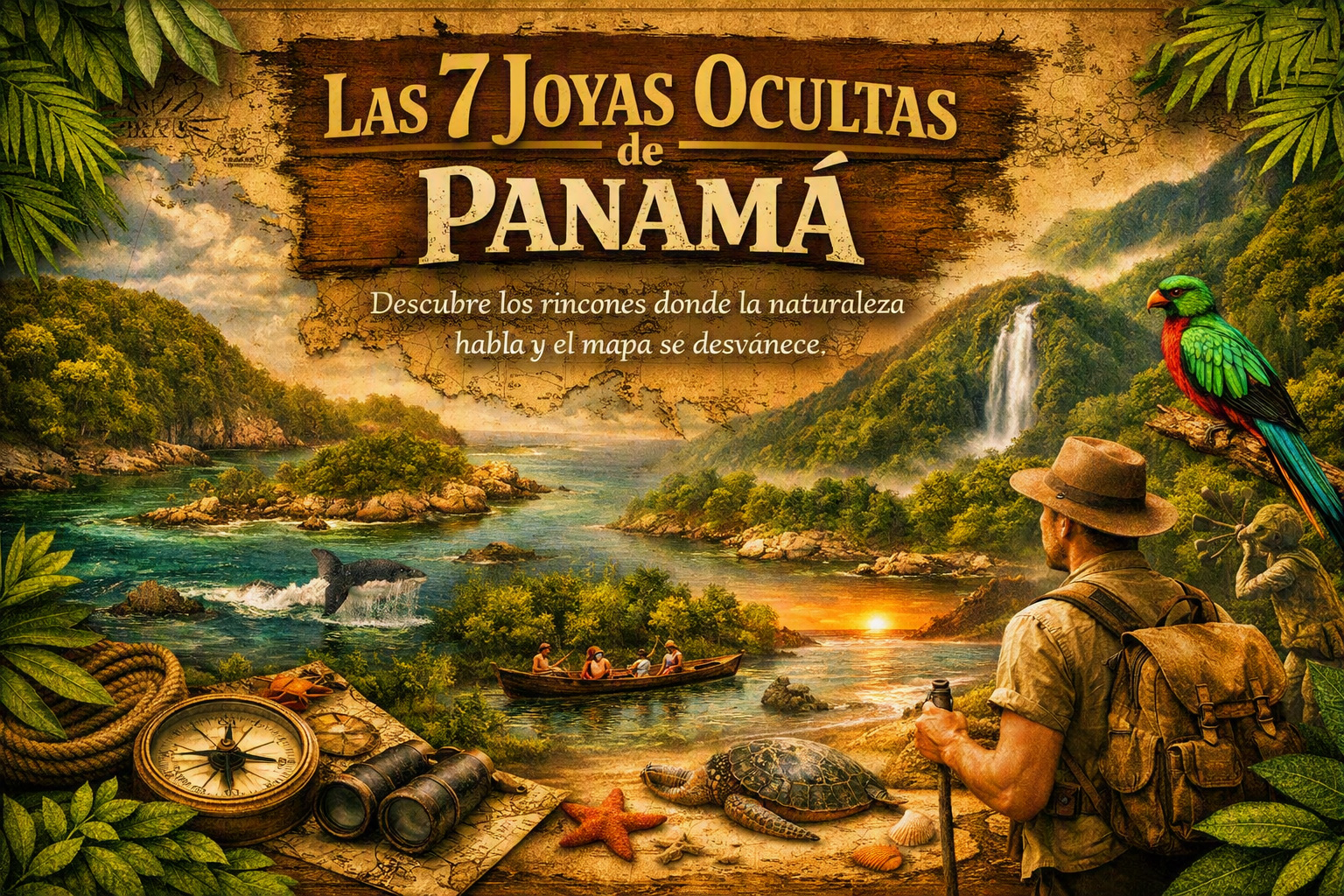
You've walked the Miraflores Locks, swam in the turquoise waters of San Blas, and danced in Bocas del Toro. But Panama holds secrets that most tourists never discover. I'm Arpy, and after years of exploring every corner of this isthmus, I can assure you that the real magic lies in places where the map gets blurry and the only sound is nature. Here are 7 gems that will make you feel like an explorer, not a tourist.
1. Golfo de Chiriquí Marine National Park: The Caribbean You Didn't Know
While everyone flocks to Bocas del Toro, locals know that the Gulf of Chiriquí, on the Pacific side, offers pristine coral reefs and impressive marine biodiversity. This marine national park includes islands like Coiba (UNESCO World Heritage) and smaller ones like Isla Ladrones or Isla Secas.
- How to get there: Fly or take a bus to David (Chiriquí), then head to Boca Chica or Puerto Mutis, where boats depart to the islands. The boat ride takes 30 minutes to 2 hours, depending on your destination.
- When to go: December to April (dry season) for diving and snorkeling with excellent visibility. From May to November, the sea is rougher, but the landscape is greener.
- What to bring: Biodegradable sunscreen (important for corals), swimwear, towel, water, and if you plan to dive, your certification and gear (or rent it at dive centers in Boca Chica).
Local tip: Don't miss Coiba Island, home to hammerhead sharks and sea turtles. It's a World Heritage site, but access is regulated; book a certified tour.
2. El Valle de Antón: The Crater That Breathes Life
Just two hours from Panama City, this town inside the crater of an extinct volcano is a breath of fresh air. Surrounded by green mountains and waterfalls, El Valle is perfect for disconnecting.
- How to get there: From the capital, take a bus at Albrook Terminal to El Valle (about 1.5-2 hours). You can also drive via the Inter-American Highway to the town entrance.
- When to go: All year round, but from January to March you'll see less rain and more sun. On weekends there's an authentic craft market.
- What to bring: Comfortable walking clothes, hiking shoes (for La India Dormida), insect repellent, and a light jacket (nights are cool).
Local tip: Visit El Níspero zoo to see rescued animals, then hike La India Dormida at sunrise; the view of the crater is spectacular.
3. Islas Perlas: The Exclusive Archipelago
In the Gulf of Panama, this group of islands (including Contadora and Saboga) is overlooked by many. Crystal-clear waters, white sand beaches, and a relaxed vibe, without the crowds of San Blas.
- How to get there: There are daily flights from Panama City to Contadora Island (20 minutes by small plane). There are also ferries from Balboa dock (2-3 hours).
- When to go: December to April for dry weather. Avoid the rainy season (May-October) if you want guaranteed sun.
- What to bring: Cash (ATMs are scarce), sunscreen, and if you want to explore, rent a kayak or jet ski on the beach.
Local tip: On Contadora, walk to Playa Ejecutiva; it's less crowded and perfect for a picnic.
4. The Quetzal Trail: The Most Beautiful Bird in the World
In Chiriquí province, near Boquete, this 6 km trail takes you through cloud forest where you can spot the resplendent quetzal, a bird with iridescent colors. It's a challenging but rewarding hike.
- How to get there: From Boquete, take a taxi or local bus to the trailhead (about 10 km away). The trail ends at the community of Los Naranjos.
- When to go: March to May, which is nesting season and quetzals are more visible. Bring binoculars and patience.
- What to bring: Hiking boots, rain jacket (rain is frequent), water, snacks, and warm clothing (temperatures drop in the mountains).
Local tip: Hire a local guide in Boquete; they know the best spotting points and will tell you forest stories.
5. Playa La Barqueta: The Endless Sunset
In Chiriquí province, this beach stretching over 15 km is a paradise for nature lovers. It's a nesting site for sea turtles (July to October) and almost always deserted.
- How to get there: From David, take a bus or taxi to the district of Alanje, then follow signs to La Barqueta (about 30 minutes).
- When to go: For turtles, July to October. For beach, December to April.
- What to bring: Umbrella, sunscreen, water, and if you go at night to see turtles, a red-light flashlight so as not to disturb them.
Local tip: Stay for sunset; it's one of the most beautiful on the Panamanian Pacific.
6. Isla Bastimentos (Part of Bocas del Toro, but Less Visited)
Yes, Bocas is known, but most people stay on Isla Colón. Take a water taxi to Bastimentos and discover beaches like Wizard Beach or Red Frog Beach, where the jungle meets the sea.
- How to get there: From Bocas Town, a water taxi takes you in 15-20 minutes.
- When to go: February to April (Caribbean dry season). Other months have rain, but the jungle is lush.
- What to bring: Insect repellent (essential!), water shoes, and cash (no ATMs).
Local tip: At Red Frog Beach, look for the red frog (Oophaga pumilio); it's tiny but poisonous, don't touch it.
7. Chagres River and Chagres National Park: The Virgin Jungle
Just an hour from the city, this river feeds the Panama Canal. Here live indigenous Emberá communities, and you can take a dugout canoe tour through the jungle, see waterfalls, and learn about their culture.
- How to get there: From the city, drive towards Gamboa, then take a boat from the town of El Corotú or Chagres. There are tours that include transportation.
- When to go: January to April (less rain) for hiking; May to December, the river is higher and navigable, but there are more mosquitoes.
- What to bring: Light clothing, rain protection, repellent, and a reusable water bottle.
Local tip: The Emberá indigenous people will welcome you with music and dances; buy their crafts to support their community.
Conclusion
Panama is much more than the Canal and postcards. These hidden gems offer authenticity, adventure, and connection with nature. As a local, I tell you: dare to leave the beaten path. The true essence of this country is in its least explored corners. Pack your sense of discovery and come to Panama with new eyes!
Final tip: Respect nature and local communities. Take your trash back and use certified guide services. This ensures these gems keep shining for future generations.
