
Panama in December: Weather, Beaches & Events
 written by one who's been there
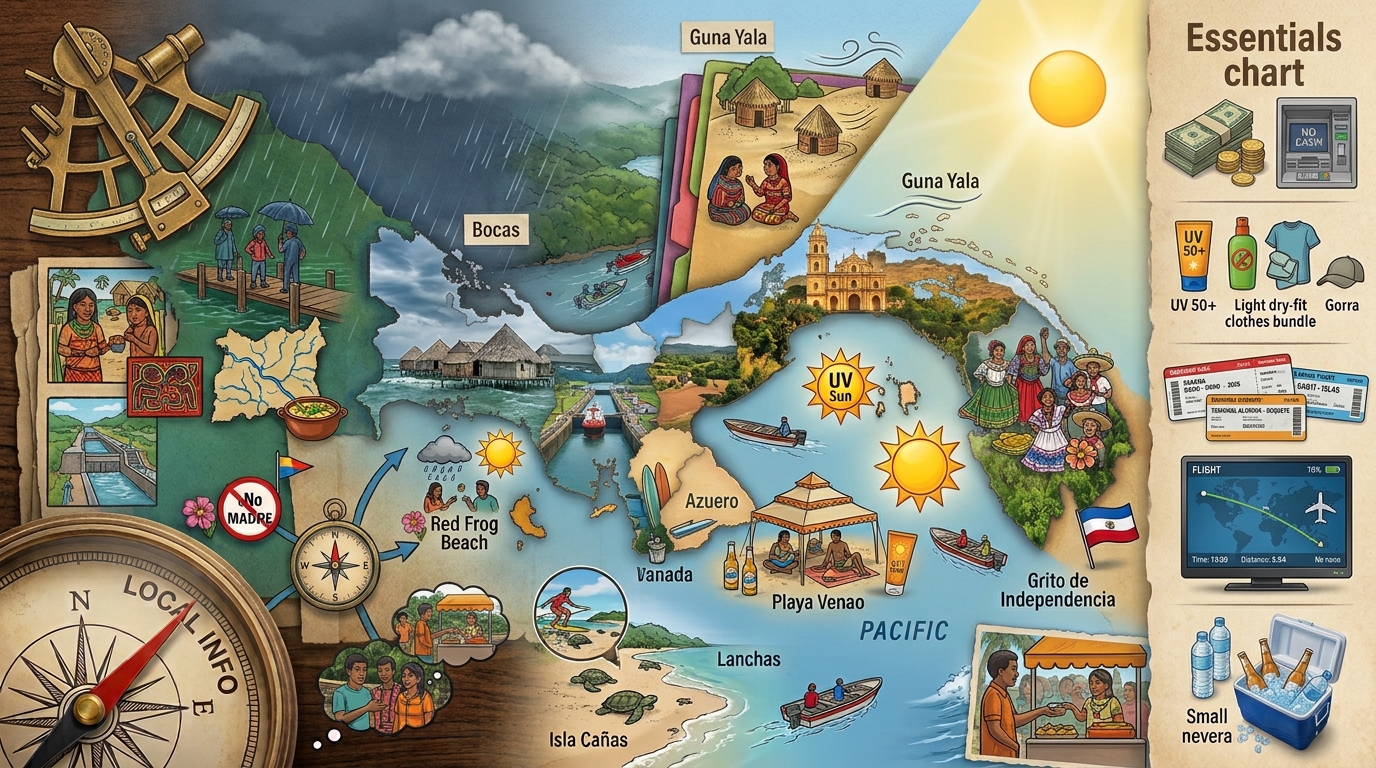
December in Panama is a different beast. The air gets thick, the sky fills with clouds that don't always burst, and beaches swarm with locals and gringos in hats. I've flown over the Pacific and the Caribbean this time of year, and from above you can see the shift: rivers run stronger, the jungle breathes wet, and boats line up at the docks. But down here, on the ground, it's more down-to-earth: sweat, sunscreen, cold beer, and a ton of plans that depend on the weather.
December weather: what nobody tells you about sun and rain
Let's start with the basics: December marks the beginning of the dry season in most of the country, but not everywhere. In Panama City and the central Pacific, the rain starts to ease up. There's still the occasional downpour, especially in the afternoon, but nothing like November. On the Caribbean side, though, it stays wet. Bocas del Toro, for example, can get heavy showers. It's not a deluge, but bring a raincoat. And in the mountains, like Boquete or El Valle, mornings are cool and nights almost chilly. Pack a long-sleeve shirt.
Temperatures don't drop below 28-30 degrees Celsius on the coasts. Humidity hugs you like a sticky relative. The sun burns. No joke: in December the UV index spikes. I burned my shoulders on a beach in Veraguas in less than an hour. Sunscreen is not optional.
Beaches: where to dip your toes (and where not to) in December
If you're after guaranteed sun, head to the Pacific. Beaches in Veraguas, like Santa Catalina or Playa Morrillo, are at their best. The water is warm, waves break with power (ideal for surfers), and the sky is usually clear. But watch out: the sun beats down hard and there's not much natural shade. Bring a tent or rent a canopy.
On the Azuero Peninsula, Pedasí and Playa Venao are must-stops. Venao in December fills with surfers and backpackers. There's a vibe, but also dust and slightly inflated prices. Rooms sell out fast, so book ahead.
The Caribbean is another story. Bocas del Toro is still beautiful, but the weather is unpredictable. You can have a sunny day and then a downpour that locks you in the hostel. Beaches like Red Frog or Starfish Beach are pretty, but boat access can be rough. If you get seasick, take pills beforehand.
The San Blas Islands (Guna Yala) are an option, but December brings winds and swells. Sailing isn't always possible. Ask before paying for the tour. I once left Cartí with choppy seas and ended up soaked and queasy. It's not for everyone.
Events: parties, fairs, and things happening in December
December is a month of national holidays. December 8 is Mother's Day in Panama, and it's celebrated big. Food stalls fill up, music blares, and patacones fly. If you're in the interior, you'll run into parades and activities in the towns. In Las Tablas, for example, December festivities are famous, but also crowded. If you don't like crowds, look elsewhere.
In Panama City, December 20 is Martyrs' Day, but it's not a national holiday. There are plenty of cultural activities though: outdoor concerts, craft fairs, and night markets in Casco Antiguo. The mayor's office usually organizes events, but I didn't confirm the exact 2026-2027 calendar. Check the mayor's office website or expat Facebook groups.
Another thing: humpback whale season in the Panamanian Pacific runs from July to October, so by December there are no sightings. But sea turtles do nest on some beaches, like Isla Cañas. That's a night trip worth doing, but you need a local guide.
Real budget: what it costs to get around in December
December is high season, so prices go up. Lodging in Playa Venao can cost between $40 and $80 per night in a hostel, and much more in hotels. In Bocas, a private room with bath can run $50 to $100. In the city, options start at $30 in hostels, but book now.
Transportation also gets pricier. A domestic flight from Panama City to David can cost $80-120 round trip. Buses are cheaper ($15-20), but schedules fill up. Boats to the islands cost $20 to $40 each way, depending on the route. Eating at fondas is cheapest: a plate of rice with chicken and patacones runs $5-7. At tourist restaurants, expect $15-25 per person.
Bring cash. Many small places don't take cards, and ATMs in rural areas are scarce or empty.
What to pack: my list after several Decembers
- Sunscreen (minimum 50 SPF) and a hat.
- Mosquito repellent. In the Caribbean and jungle areas, bugs don't hold back.
- Light, quick-dry clothing. Cotton stays damp and smells musty.
- Sandals and closed shoes for hikes.
- A light rain jacket. Downpours come without warning.
- Cash in small bills. Sometimes they won't take $20s.
Mistakes not to repeat
Don't trust the weather. Even if December is dry, a downpour can ruin your day. Have a plan B. Don't book tours without checking the bad-weather cancellation policy. And don't underestimate distances: Panama looks small on the map, but traveling from the city to Bocas can take a full day.
Another mistake: not booking ahead. In December, hotels and tours fill up, especially the first half of the month. I once arrived in Pedasí without a reservation and ended up sleeping in a hammock at a fisherman's house. It made a good story, but it wasn't the plan.
What I'd do differently the second time
I'd travel with less luggage. In December, clothes get wet and don't dry easily. I'd bring only what's necessary. I'd also book tours at least a week in advance. And I'd bring a small cooler to keep drinks cold at the beach. Ice melts fast.
Also, I'd avoid holiday dates for moving between provinces. Buses and roads get congested. If you can, travel the first week of December, before the Christmas rush.
Next time I go to Bocas, I'll check sea conditions before paying for the boat. Better to lose a day than spend four hours throwing up. And I'll bring seasickness pills from home. See you on the next tide.
