
Fishing in Panama: Pacific Guide & No License
 written by one who's been there
The dock smells like diesel and corvina
It's 5:40 AM at the Pedregal dock, and three pangas are already coughing up smoke. The captain's name is Nicolás, but everyone calls him "Nico the Shark". Not because he fishes sharks, but because he's got a grin that scares you when he sets the hook. He handed me a spinning rod, a bucket of live sardines, and said: "If you get seasick, don't fill my deck."
That's fishing in Panama. No yachts with carpets. Here it's sun, salt, and a cooler full of ice that melts before noon. And the best part: you don't need a fishing license. Zero paperwork. Zero hassle. You just show up, pay your spot on the boat, and cast.
Why you don't need a license (and what you do need)
In Panama, sport fishing from a boat doesn't require a license for the angler. The Aquatic Resources Authority (ARAP) requires a permit for the boat, not for you. So if someone tells you to get a license, be suspicious. Unless you're fishing in a protected area like Coiba, where you pay a park entrance fee, but that's a different story.
What you do need:
- Respect minimum sizes. Don't keep a 20 cm snapper. Release it.
- No nets or chemicals. That's for criminals.
- Ask the captain. He knows what's in closed season and what's not. Snapper and corvina closed seasons change every year; don't trust a 2019 blog post.
The best Pacific spots (according to my wings and blisters)
I've flown over the coast and walked its docks. These are the spots that are truly worth it.
Pedregal and the Pearl Islands
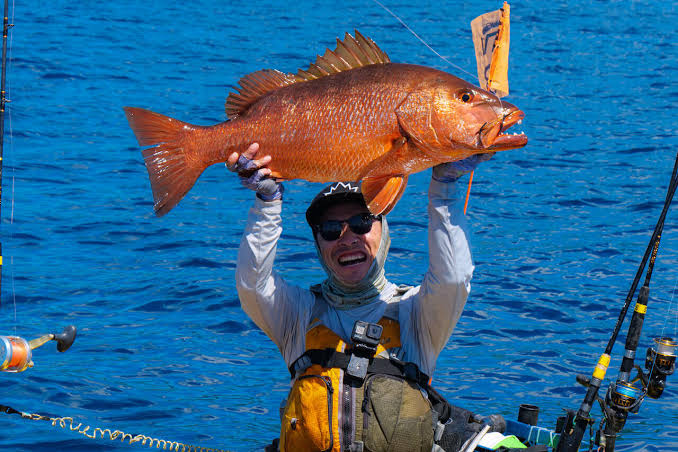
40 minutes from Panama City, Pedregal is the most accessible departure point. From there, boats go to Contadora, Saboga, or San José. Bottom fishing is brutal: red snapper, grouper, sea bass. And if you go further out, on the continental shelf, you can hook a yellowfin tuna that leaves your arms shaking.
A full-day charter from Pedregal costs between $400 and $700 for up to 4 people. Includes captain, bait, ice, and water. Doesn't include beer, but Nico always has a six-pack hidden.
Piñas and the Darién coast
This is another level. Piñas is 3 hours by car from the capital, and the road has more potholes than a colander. But once you're there, the wild Pacific greets you with dorado, wahoo, and sailfish. Peak season is December to April.
Note: there aren't many formal charters. Ask at local hotels or the dock. A day of fishing with a local captain can cost $250-$400. Bring cash. There's no ATM.
Coiba
Coiba is a national park. You pay an entrance fee (about $20 for foreigners, less for residents). Fishing here is out of this world: snapper, grouper, jack, tuna. But the trip is long. From Pedregal it's 2 hours by fast boat, and if the sea is rough, you'll regret not taking seasickness pills.
A charter to Coiba can cost $800-$1200 per day, depending on boat size and whether gear is included. Not cheap, but an experience you won't forget. Bring biodegradable sunscreen. The sun in Coiba doesn't forgive.
Montijo and the Gulf of Chiriquí
Montijo is a fishing village in Chiriquí province. There's not much tourist infrastructure here, but the fishing is excellent. Snapper, corvina, snook. And if you like shore fishing, the mangroves are a labyrinth full of tarpon and macarela.
A local panga takes you out for $150-$250 a day. Negotiate before boarding. And bring your own gear if you're picky; the loaners look like they came from a shipwreck movie.
Species by season (so you don't go for nothing)
Things change month by month. This is what I've seen and what captains have told me.
- December to April: dry season. Best time for tuna, dorado, sailfish, and wahoo. The sea is calmer. Visibility is good.
- May to November: rainy season. The sea gets rough. But that's when snapper, grouper, and sea bass show up in abundance. It's also tarpon season in the rivers. If you don't mind getting wet, it's worth it.
Watch out for the snapper and corvina closed season. It's usually between May and June, but it changes. Ask ARAP or the captain. Don't be the tourist who keeps a pregnant corvina during closed season.
How much it really costs (and what they'll try to overcharge)
Prices vary. A lot. Depends on the boat, the captain, high or low season, and whether you look like a tourist who doesn't haggle.
- Shared charter in Pedregal: $80-$120 per person. You leave at 6, return at 2. Includes bait and ice.
- Private charter (up to 4 people): $400-$700 per day. Negotiate. If you pay cash, sometimes they knock off $50.
- Coiba: $800-$1200. It's expensive because fuel and park permits add up.
- Piñas or Montijo: $250-$400. Less infrastructure, more adventure.
Never pay in advance without seeing the boat. I've seen tourists pay $500 and end up in a panga with no radio or life jackets. Ask to see the vessel before handing over a dollar.
What I'd bring the second time (and the first time too)
First time I brought too much. Second time, only essentials. Here's my list:
- Seasickness pills. Take them an hour before boarding. They're useless if you're already vomiting.
- Sunscreen and a hat. The Pacific sun is treacherous. It burns even your ankles.
- Light sweater or windbreaker. Mornings at sea are chilly. Seriously.
- Snacks and water. The captain sometimes brings some, but don't rely on it. Bring fruit, crackers, whatever.
- Cash in small bills. Captains don't have card readers. And there are no ATMs at the docks.
- A towel and dry clothes. You'll end up wet. From rain, splashes, or sweat.
Mistakes you shouldn't repeat
I've made several. I'll tell you so you don't embarrass yourself.
- Not checking the weather. The Panamanian Pacific can be calm at 6 and rough at 10. Check the marine forecast. If the captain says he's not going out, don't insist.
- Bringing expensive gear without a cover. Salt eats everything. Put your rods in a PVC tube or waterproof bag.
- Not asking about closed season. If you fish during closed season, fine. And you don't want your boat confiscated.
- Not bringing enough ice. Fish spoils fast. A large cooler with block ice lasts longer.
- Forgetting cash. I said it, but I'll say it again. No cash, no fishing.
What I'd do differently the second time
First time I went to Coiba without seasickness pills. Mistake. Second time, I brought them. I also brought a bigger cooler and a wide-brimmed hat. And I learned to negotiate the price before boarding. Nico the Shark charged me $50 less for paying cash. So there you go.
Next time I want to try shore fishing in the Gulf of Montijo. I've heard tarpon fight like demons. And I want to go with a local guide, not a tourist charter. Just a matter of taste.
If you're going fishing in Panama, you don't need a license, but you do need common sense. Respect the sea, respect closed seasons, and don't take more than you'll eat. The Pacific gives a lot, but it also takes. And if you get seasick, don't fill my deck.
See you at the next tide.
